Dominika Fričová
(Comenius University Bratislava, Slovakia)
Model matters: differential cellular outcomes and post-translational modifications following alpha-synuclein overexpression in neuronal cell lines
Dominika Fričová, MD. PhD., is the Head of the Laboratory of Translational Research of Neurodegenerative Diseases at the Second Department of Neurology, Comenius University in Bratislava. Her research group focuses on unravelling cellular and molecular mechanisms involved in the pathogenesis of Parkinson’s disease, with a particular emphasis on cellular senescence, mitochondrial dysfunction, and alpha-synuclein pathology. Her team works with various cellular models, including patient-derived cells, aiming to uncover novel therapeutic strategies and develop approaches for early diagnosis. A significant part of the group’s recent work investigates the role of extracellular vesicles as messengers in cell-to-cell communication, as well as their potential as early biomarkers of Parkinson’s disease.

Vladimír Havlíček
(Institute of Microbiology, Czech Academy of Sciences, Prague, Czechia)
Noninvasive diagnosis of invasive infectious diseases.
Vladimír Havlíček is an analytical chemist and mass spectrometrist who heads the Laboratory of Molecular Structure Characterization at the Institute of Microbiology (Prague, Czech Republic), bringing together microbiology, mass spectrometry, NMR, and electron microscopy. He investigates how microbial virulence factors and host immune defenses compete for metals and shape pathogen adaptation. His group demonstrated neutrophil lipocalin-2 capture of the siderophore enterobactin, showed copper detoxification through yersiniabactin complexes, and evaluates immune-evasive metallophores. He translates fungal siderophores into diagnostics for invasive mixed infections and pairs them with host markers such as pentraxin-3, which binds fungal galactosaminogalactan. Havlíček pioneered “infection metallomics,” a mass-spectrometry toolkit for 3D molecular profiling of soft tissues, and applies native MS/NMR to noncovalent complexes. After a 2022 sabbatical with K.A. Schug and D.A. Stevens and strategy building with Stanford clinicians, he focuses on lung, CNS, and urogenital infections, while teaching as a professor, publishing, and mentoring across international teams.
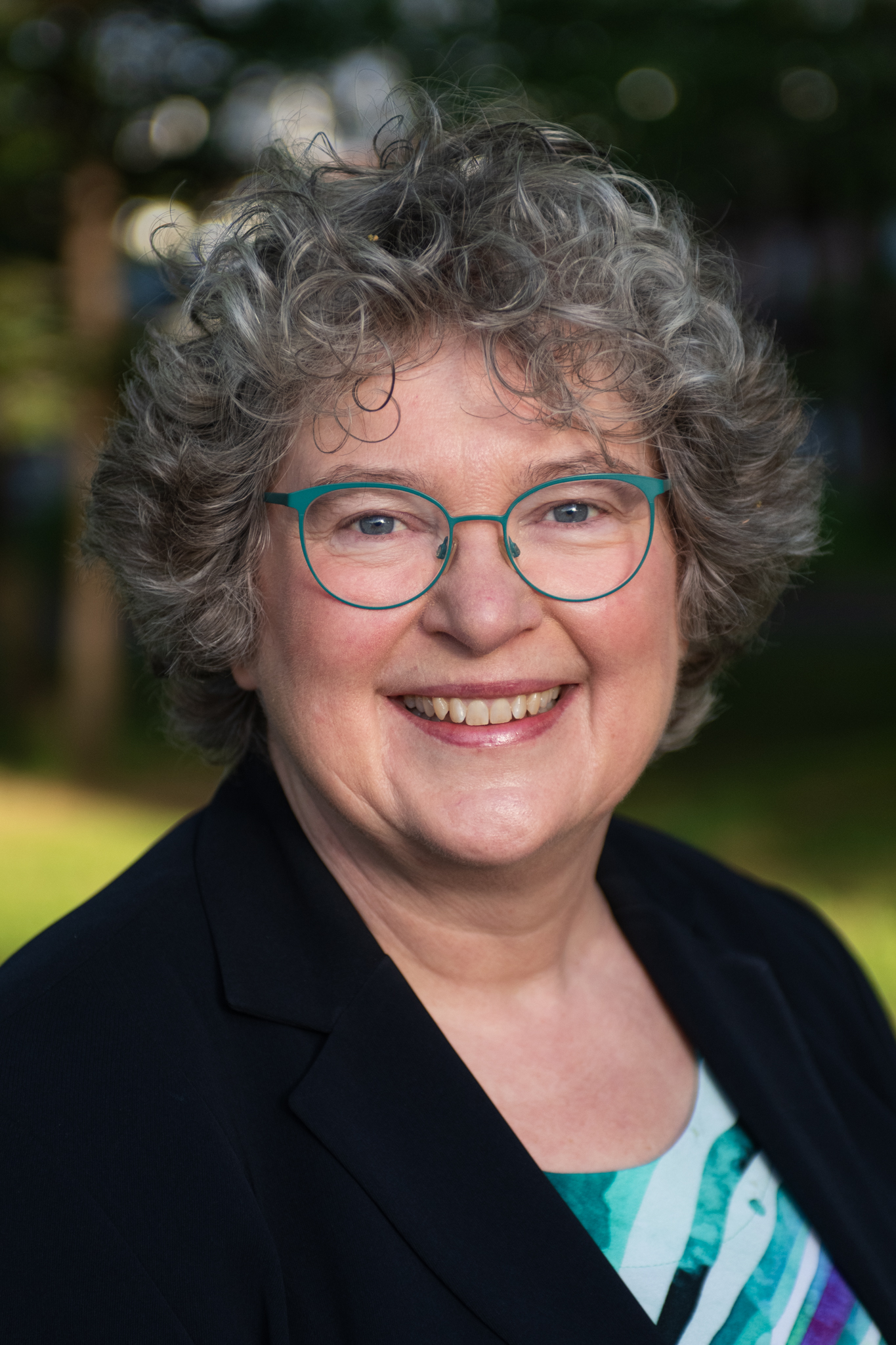
Cari Sänger – van de Griend
(Kantisto BV, Netherlands)
Recent innovations and improvements for CE in pharmaceutical analysis
Prof. Dr. Cari E. Sänger – van de Griend is founder and principal scientific consultant at Kantisto in The Netherlands, Scientific Director at BioQC, and she is extraordinary professor Industrial Analytical Pharmaceutical Chemistry at the Department of Medicinal Chemistry, Faculty of Pharmacy at Uppsala Universitet in Sweden.
In her daily work, Cari supports industry and institutes in the field of patient-centric pharmaceutical analytical chemistry, with Analytical Quality by Design (AQbD), an holistic method development and troubleshooting approach, and with the Capillary Electrophoresis (CE) technologies. The handouts of her yearly “Advanced CE method development, validation, and troubleshooting course” are considered the CE bible for method development. She works for scientific knowledge sharing as scientific director for BioQC.
Cari received her MSc from Universiteit Leiden and her PhD (DPharm) and habilitation from Uppsala Universitet. She previously worked for TNO (the Netherlands Organization for Applied Scientific Research), Astra Pain Control, AstraZeneca, Solvay Pharmaceuticals, and Abbott Healthcare Products.
In her spare time, Cari lectures and supervises students currently in Sweden, Germany, Poland, and Switzerland. She is chair of the EDQM CE working party and member of the EDQM AQbD working party, Associate Director at CASSS, and on the CASSS organizing committees of CASSS Europe and The Netherlands Area Biotech Discussion Group.